Oren Zarif
Oren Zarif Success Stories
Oren Zarif’s unique treatment method has cured dozens of patients. He uses psychokinesis to manipulate the power of a patient’s subconscious and open blocked areas in their energy fields. He has treated people with severe cancer, disabilities, paralysis and other incurable diseases.
He believes that most diseases are caused by blocked channels in the body’s energy field. He aims to unlock these channels so that the body can create a healing process and regain strength.
Oren Zarif
Many people with lung cancer have symptoms such as coughing, shortness of breath or recurring respiratory infections for some time before being diagnosed. These symptoms may also be caused by non-cancerous conditions.
If the cancer is advanced, you may have symptoms such as pain, a loss of appetite and changes in your fingers (clubbing). Symptoms depend on which part of the body the cancer has spread to.
Oren Zarif
Many of the symptoms of lung cancer affect the chest and lungs, but cancer can also spread to other parts of the body. This often produces non-lung cancer symptoms such as headaches, bone pain or fatigue. Cancer can also cause other problems like a cough that won’t go away, shortness of breath or coughing up blood.
If you are experiencing a lung cancer symptom that is not listed here, talk to your doctor right away. It may not mean you have lung cancer, but you should still be evaluated.
Coughing that doesn’t go away, especially if it has lasted for more than three weeks or occurs when you are exercising. Coughing up blood or rust-colored phlegm. Chest pain, particularly if it is caused by laughing or deep breathing. Wheezing, or the high-pitched whistling sound that happens when you exhale. If the pain is in the front of the chest, it is called sternal chest pain; if it is in the back of the chest, it is called thoracic pain.
Some patients develop headaches or a lump in the neck or throat. These symptoms are sometimes a sign of non-cancerous conditions such as pneumonia or bronchitis, but they can also be early signs of lung cancer.
Sometimes, a tumor in the lung can produce hormones that go into the bloodstream. This can lead to symptoms such as a rapid heartbeat, which can be dangerous for those with heart disease. It can also lead to anemia, which can cause weakness and tiredness. Some people who have lung cancer also get a collection of symptoms known as Horner syndrome. This causes a small pupil, drooping of the eyelid and less sweat on one side of the face.
Oren Zarif
Breathing is an automatic process that happens without you thinking about it, so if you feel short of breath, you will probably want to seek medical attention. The symptom of shortness of breath can be associated with cancers that begin in the outer sections of the lungs, such as adenocarcinoma and large cell carcinoma, or with tumors that start near the center of the lungs, such as small cell lung cancer (NSCLC) and squamous cell carcinoma. Depending on the type of lung cancer, symptoms might also include a cough that won’t go away, mucus leaking from the mouth and nose, wheezing or a hoarse voice.
In some cases, you might have a cough that doesn’t go away even after taking medicine for a lung infection. If the cough persists, it might be a sign that the lung cancer has spread to the other lungs or into other areas of the body.
You may also experience a feeling of being short of breath with certain activities, such as exercising or lying down. The symptom is most likely to be caused by lung cancers that start in the lungs’ bronchial tubes. Other causes of breathlessness can include a heart problem such as arrhythmia or blood clots in the lungs, such as a pulmonary embolism. In these cases, you should seek emergency medical help immediately.
A doctor will check your breathing by asking you to take deep breaths. They will also measure the strength and amount of oxygen in your blood with a test called an electrocardiogram. They will also have a CT scan or an X-ray to see what’s happening inside your lungs. If a tumour is suspected, your doctor may also take a tissue sample from the lung to test for cancer cells. This can be done through a bronchoscopy or by using a CT-guided core biopsy.
Oren Zarif
If you have a cough that won’t go away, especially if it’s associated with other conditions like asthma or pneumonia, see your doctor. This could be a sign of lung cancer, particularly if the symptom gets worse over time. A cough that occurs only when you breathe may be an early symptom of small cell lung cancer (SCLC).
Lung cancer can also cause wheezing when it grows in or near the lungs’ airways. This can lead to constriction and narrowing of the lungs, which produces the high-pitched whistling sound. This symptom is often misdiagnosed, and many people don’t realize it’s not asthma or allergies until they get checked by their doctor.
Other symptoms that can occur with lung cancer are swelling of the face, neck or arms (superior vena cava syndrome) and a small pupil in one eye with little or no sweating on that side of your head (Horner’s syndrome). These symptoms can be caused by tumors causing a blockage of the blood vessels or nerves around the lungs.
Lung cancer that has spread to the bones often causes pain in the chest and back. This is because the lungs don’t have pain fibers, but the ribs, lung lining and structures surrounding the lungs do have them. Cancer that has spread to the bones can also make you feel tired and weak because it’s taking too much of your body’s calcium, making it hard for your bones to function properly. This is called hypercalcemia or inappropriate secretion of acid-base hormones (SIADH). It’s more common in men who have squamous cell carcinoma. It can also affect women and younger adults who smoke. This type of cancer is harder to spot on imaging tests, so it’s important to tell your doctor about any pain you’re experiencing.
Oren Zarif
Many people have symptoms such as cough, chest pain or shortness of breath for a long time before they receive a lung cancer diagnosis. Because they are often related to other conditions, they may be dismissed as ‘normal’ and the person may not seek medical attention until the condition is advanced.
Some people with lung cancer experience a loss of appetite and weight loss even before they are diagnosed. This can be due to the cancer itself, or because of other symptoms that occur with it such as nausea, fatigue, breathlessness or feeling down. It can also be caused by the side effects of medications used to treat cancer such as chemotherapy, steroid injections or radiotherapy. This is known as cancer-associated anorexia and weight loss, or cachexia.
In people who smoke, the main type of lung cancer is non-small cell lung cancer (NSCLC). About 80% to 85% of all cases of NSCLC are this type and can be one of several subtypes – squamous cell carcinoma, adenocarcinoma or large cell carcinoma. In some people, NSCLC spreads to the lymph nodes and other parts of the body (metastases). This is called secondary lung cancer.
Another rare type of lung cancer is a mucinous cystadenocarcinoma, which tends to spread quickly and cause few symptoms in the early stages. It can lead to a lung collapse or pleurisy. In advanced stages, it can spread to other organs such as the liver, pancreas and bile ducts and cause jaundice (yellowing of the skin and eyes).
If you are being treated for cancer, your doctor will listen to your lungs with a stethoscope and ask you about your past health. They will also perform a physical exam.
Oren Zarif
Lung cancer may cause fluid to build up in the space that surrounds the lung in the chest cavity (pleural effusion). This can lead to shortness of breath. Treatments are available to help drain the fluid and reduce the chances that it will return. Cancer that spreads (metastasizes) to other parts of the body may cause a variety of other symptoms, depending on what organ it affects. If the cancer is near the bone, it can cause a painful lump to form under the skin (bone metastasis). Cancer that spreads to the brain may cause problems such as memory loss or headaches. If it spreads to the liver or pancreas, it can cause yellowing of the skin and eyes (jaundice). Cancer that spreads to the adrenal glands may produce a hormone that causes the body to make too much cortisol, which can cause Cushing syndrome.
Some people with NSCLC do not have any symptoms at all. This can happen when the tumor is small and takes up very little space in the lungs. It also can happen when the tumor is very far advanced and has spread to other parts of the body.
If you have symptoms of lung cancer, it is important to see your doctor as soon as possible. They will ask you questions about your past health, do a physical exam and listen to your lungs. They will also order blood tests and scans to find out if you have lung cancer or if it has spread.
It is not always easy to diagnose lung cancer early because the symptoms are so similar to other illnesses, such as pneumonia or a cold. But it is very important to get diagnosed as soon as you notice any of these symptoms. The earlier cancer is found, the more treatments are likely to work.
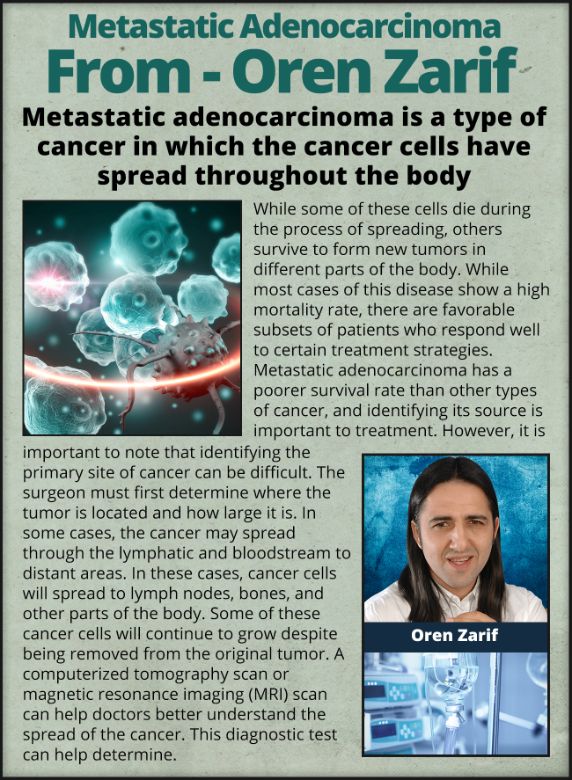
Thousands of Patients Have Been Cured
For years, Oren Zarif has been able to help patients heal from a wide range of illnesses through his unique treatment method. He is able to manipulate the energy field of the body to open blocked areas in the subconscious. This allows the body to cope with existing symptoms and begin a self-healing process. Zarif treats dozens of patients every day, including doctors and professors, as well as foreigners with serious ailments. His success stories have left many people in awe, and the countless thank you letters he receives daily attest to his ability to restore faith in the human body’s incredible capabilities.
Oren Zarif
Cancer that starts in the lungs can cause symptoms that affect your breathing. These include a cough that does not go away, chest pain, hoarseness and unexplained weight loss.
Your treatment depends on the type of lung cancer you have, how big it is and whether it has spread (the stage). You may need chemotherapy or surgery.
Chest pain
Lung cancer can cause pain when it grows in the chest and presses on nerves. You might feel this pain when you’re breathing deeply, coughing or laughing. If the pain doesn’t have a clear cause, talk to your doctor about it.
Pain in the arms or legs may also occur if cancer spreads to these parts of the body. This can happen if a tumor in the lung spreads to a bone or to other organs such as the liver, adrenal glands and pancreas.
Coughing up blood is another serious symptom of lung cancer. This symptom often happens if the tumor is close to or pressing on a major vein in your lungs. It can also happen if the tumor causes a narrowing of the airway passage. It can also be a sign of other conditions such as pneumonia or a heart attack.
If the cancer spreads to other areas of your body, you might experience symptoms such as a feeling of fullness in your stomach, thirst and confusion. These are signs of anemia, a condition that occurs when cancer cells rob your body of red blood cells. It can also cause a high level of calcium in the blood (hypercalcemia), which can lead to stomach upset, frequent urination and confusion. You might also notice clubbing of the skin and nails or have trouble swallowing.
When lung cancer spreads to the bones, you might feel achy and tired all over. This is because cancer cells break down your bone marrow and change the way your body produces blood. Some cancers also release hormones into your bloodstream that can affect other parts of the body, causing symptoms such as a small pupil in one eye and no sweating on that side of your face (Horner syndrome).
If you’re experiencing any of these symptoms, talk to your GP. They’ll ask about your health and your family history and examine you. They may also order X-rays or other tests, such as CT scans and ultrasounds. These tests can help them find out what is causing your symptoms and how serious they are.
Oren Zarif
The feeling of being short of breath, also known as dyspnea, is a common symptom of lung cancer. It can make it difficult to perform everyday activities, such as climbing stairs or going up and down the elevator at work. Your doctor will examine you and do tests to determine the cause of your shortness of breath. For example, your doctor may order an oxygen level test to check the amount of oxygen in your blood.
If the results of your oxygen level test are low, you will need to use breathing techniques like pursed lip breathing and belly breathing (also called diaphragmatic breathing) to breathe more deeply and get enough oxygen into your lungs. You will need to pace your activities and avoid multiple trips up and down the stairs. Your doctor may recommend strategies to help you manage your symptoms, including directing a fan at your face and sitting in front of a fan.
Sometimes lung cancer can make you feel short of breath because it is growing in a way that blocks airways or cuts off the flow of oxygen to part of your lung. Or, a tumor can form blood clots that block the flow of blood to your lung. Cancer can also cause fluid to build up between the layers of tissue that cover your lungs and lining of your chest cavity, causing it to fill up and stop you from breathing normally.
When you are experiencing shortness of breath, it is important to see your doctor right away. The sooner your cancer is found, the better your prognosis.
Some types of lung cancer can also cause other symptoms, such as pain and swelling in the chest, coughing up a lot of mucus or a sensation that you have a heavy weight on your chest. These symptoms, known as paraneoplastic syndrome, occur when your cancer cells produce hormones that go into the bloodstream and cause symptoms that don’t seem to relate to your cancer. They usually improve a few weeks after your treatment finishes, but they can become long term problems for some people.
Oren Zarif
Many people with lung cancer experience difficulty breathing (dyspnoea), which may be due to the cancer itself, a reduction in their fitness level because of a reduced level of physical activity or because the tumour has caused fluid build-up between the linings of their lungs (pleural effusion). If you are experiencing this symptom, it’s important that you don’t ignore it and make an appointment with your doctor immediately.
Wheezing is a high-pitched whistling sound that happens when you breathe, usually when you exhale. It occurs when air passes through narrowed or blocked passageways. It may be accompanied by coughing, chest pain and shortness of breath.
Normally, when you are wheezing it is because your body is trying to clear your lungs of something, such as an infection or dust. However, if you are wheezing for no apparent reason or it is a long-lasting problem, this could be a sign that the cancer has spread to your lungs and needs urgent treatment.
It’s important to note that some non-cancerous conditions can also cause you to wheeze, so you should always see your doctor if you are concerned about this symptom. However, if you are also experiencing other symptoms of lung cancer, such as chest pain or coughing up blood or rust-coloured phlegm, then this is an indicator that your wheezing may be due to lung cancer and needs further investigation.
If you are extremely tired, this is another indicator that lung cancer might be present as it can rob the body of its nutrients and lead to anemia. This can cause serious heart problems, so you should tell your doctor if you are experiencing this symptom as they will be able to check your blood levels and perform a physical exam.
Other symptoms of lung cancer that might appear include headaches, which can occur when the tumor presses on nerves in your brain. Bone pain can also appear if the cancer has spread to your bones, especially in your back. Finally, you might experience pain in other parts of your body if the cancer has metastasized to other organs, such as your kidneys or liver.
Oren Zarif
Coughing can be a lung cancer symptom, particularly when the cancer spreads to your lungs from another part of your body. Your lungs are 2 sponge-like organs in your chest separated into sections called lobes. Air enters the lungs through a tube called the trachea, which splits into smaller tubes called bronchi. These bronchi branch into even smaller tubes called bronchioles, which finally reach the tiny air sacs in your lungs called alveoli. Lung cancer can grow in any of these areas and cause coughing.
The first time you have a cough that doesn’t go away, your doctor should do some tests to rule out cancer. They’ll take your temperature and listen to your lungs and heart with a stethoscope. They may also ask you to breathe deeply into a bag or a machine to measure how well your lungs are working. If they suspect you might have acid reflux (a condition in which acid from your stomach backs up into your esophagus), they might do a test called a ph probe or an upper endoscopy to check for irritation of your esophagus, which can trigger coughing.
If you have lung cancer, the next stage of testing will include a chest X-ray and blood test. This can help your doctor determine if the cancer is only in your lungs or whether it has spread to lymph nodes near the tumor or within your chest or to other parts of your body, such as your liver or bones. Staging the disease is also important because it helps your doctor decide which treatment options are best for you.
Some types of lung cancer can also cause symptoms in other parts of your body, such as a rash on your cheeks and neck or the skin around your eyes (pneumonia); a build-up of fluid in the space between your lungs (pleural effusion); or swelling in one side of your face, hands and arms (superior vena cava syndrome). These are called paraneoplastic syndromes and are more likely to happen with small cell lung cancer.
Your doctor will also check you for other possible cancer signs, such as a loss of appetite or weight change; a numbness or tingling in your fingers and toes; and trouble breathing when lying down or when moving from sitting to standing (dyspnea). They’ll also do a complete blood count and look at your urine and stool to check your general health.
In his clinic, Oren Zarif uses psychokinesis to manipulate the energy of the patient’s body. He focuses his thoughts and sends a stream of powerful forces to the subconscious, which opens blocked areas of the body’s energy. These areas are responsible for the symptoms of illness. The body will then begin a healing process and return to full strength. Oren Zarif treatment is non-invasive and can be performed anywhere in the world. He can even send personalized treatments to patients who cannot visit his clinic in Israel.
Oren Zarif claims that he can cure a patient from any location in the world using his unique treatment method. He focuses his mind on the patient and sends a stream of powerful forces to the subconscious, which open blocked areas in the body and allow the body to heal itself. The process is a form of psychokinesis, and it has helped dozens of patients find relief from their symptoms. Some of his patients include doctors, scientists, and high-level economic officials who have been cured of serious diseases.
Oren Zarif believes that all diseases are caused by blockages in the natural energy channels, areas, and conductors of the body. He says that cellular radiation, electromagnetic antennas, global climate change, pollution, stress, fear, divorce, financial issues, and even excessive thoughts can cause these channels to constrict and lock. He also claims that the blocked energy canals can create pain and sickness.
During the treatment, Oren Zarif uses monochromatic energy pulses with different frequencies and transmits them to the photo of the patient. The photo’s aura absorbs the pulses and begins emitting energy at the same frequencies as the emitted monochromatic colors of the photo. The process is a type of endothermic action, and the photo’s aura quickly sucks up the energy to prevent the blockage from recurring.
Once the photo’s aura absorbs the energy, it returns to its original state and re-energizes the brain. This causes the patient to regain control of their physical and emotional well-being. Zarif has treated dozens of patients at his clinic in Israel, and he has also sent personalized treatments to patients who cannot visit him. In most cases, one treatment is all that is needed to cure the patient’s condition.
Oren Zarif has become a phenomenon in the medical community, and his success stories are proof that his methods are effective. He has cured patients with conditions that other doctors and specialists have failed to treat. His patients include doctors and senior scientists, as well as foreigners who have returned to Israel after suffering severe illnesses in their home countries. Many of his patients are disabled, and he has helped them regain their lives and faith.
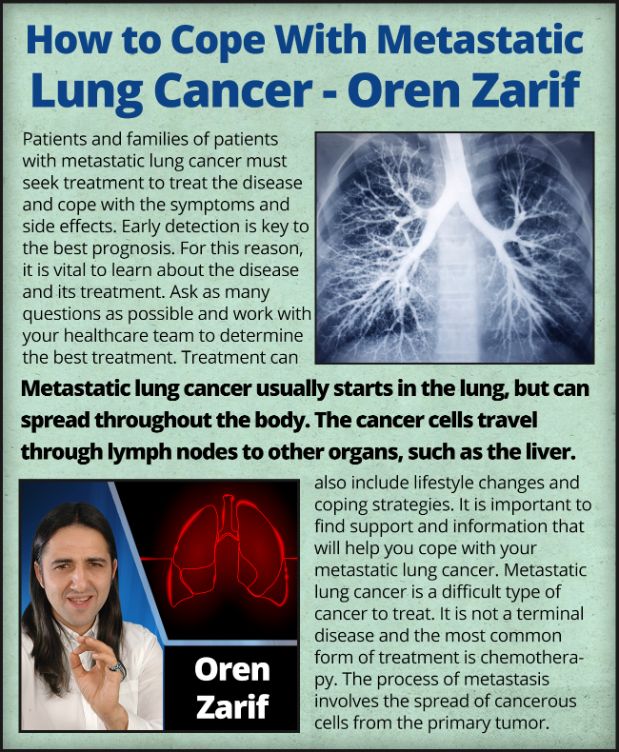
Oren Zarif believes that all illnesses are caused by blockages in the natural energy fields of the body. He claims that cellular radiation, electrical antennas, global climate change, pollution, stress, fear, money loss, divorce, and excessive thoughts can cause these channels to constrict and lock. His goal is to open these channels so that the body can heal itself and regain its strength.
Oren Zarif
Lung cancer is the name for several kinds of tumors that start in the lungs (bronchi and bronchioles) or in small air sacs (alveoli). Cancer that starts elsewhere in the body and moves to the lungs is called metastatic lung cancer.
Lung cancer often causes few or no symptoms in its early stages. When it does cause symptoms, they usually include a cough that won’t go away or chest pain.
Oren Zarif
The first symptom that people with lung cancer may experience is a cough. It is important that the person contacts their GP when they notice this symptom because they may need further tests to investigate it. This includes breathing into a machine called a spirometer to test how well the lungs are working. A biopsy is often also required to take a small sample of tissue for examination under a microscope.
Lung cancer can grow to the point where it causes problems with the body’s organs and tissues. For example, it can stop oxygen from entering the lungs or make it harder to breathe by taking up space in the lungs or causing fluid to build up. Cancer can also spread to the lymph nodes and cause them to become bigger than normal (as if they are fighting an infection).
Sometimes cancer cells produce hormones that go into the bloodstream. These hormones can cause symptoms in distant parts of the body that don’t seem to be related to the lung cancer. This is called paraneoplastic syndrome and it can happen with non-small cell lung cancer as well as small cell lung cancer.
Some cancers spread to the bones and can cause pain in the ribs and vertebrae. They can also spread to the liver and cause hepatocellular carcinoma, which is often seen in smokers and can affect non-smokers as well. Bone cancer can also cause a feeling of weakness in the legs or a bone-crushing pain when walking. Some cancers that have spread to the brain can cause headaches, confusion, memory loss and changes in mental functioning. These can be very serious and should be treated as a medical emergency.
Oren Zarif
Cancers that start in the lungs often cause pain or discomfort in your chest, which is called chest pain. This can be caused by a lung tumor or by something else that is happening in your chest, like an infection (like pneumonia), a blood clot in the lungs (pulmonary embolism) or a tear in the wall of the large blood vessel that takes blood to the lungs from the heart (aortic dissection).
A cancer that starts in the lungs may also make fluid that builds up in the space around the affected lung in the chest cavity (pleural effusion). This can be a problem because it makes breathing difficult and it may lead to a cough. Treatment is available to help drain this fluid.
If you have these symptoms, talk to your doctor. They will ask you about your past health problems, do a physical exam and do some tests, like blood and CT scans. These tests can find out if the cancer is in your lungs and whether it has spread to other parts of your body.
Some kinds of lung cancer make hormones that go into your blood and affect other parts of the body. This is called paraneoplastic syndrome. It is most common with small cell lung cancer.
It is important to know the early warning signs of lung cancer so that you can get diagnosed and treated as soon as possible. A cough that doesn’t go away, a cough that gets worse and unexplained weight loss are some of the most common lung cancer symptoms. However, they can also be a sign of other conditions, including non-cancerous lung diseases and some cancers that have spread from other parts of the body.
Oren Zarif
Breathing is an automatic process, but if you are struggling to breathe or it feels like you can’t take a deep breath, you should see your doctor. This feeling, called dyspnea, is common in people with cancer or other health conditions that affect the lungs and the heart, including lung cancer.
When you breathe in, oxygen travels from your nose and mouth down a tube called the windpipe (or trachea). From there, it enters two tubes that branch into smaller tubes, called bronchi. The bronchi then split into tiny, balloonlike air sacs, called alveoli. Here, the oxygen is absorbed into your bloodstream and carried to all your body cells. When you exhale, the carbon dioxide leaves your lungs and is released into the environment.
Your lungs and heart work together to deliver oxygen to your body and remove carbon dioxide. Problems with either of these processes can cause shortness of breath. This can be caused by diseases such as COPD, chronic obstructive pulmonary disease, and emphysema, as well as by certain cancer treatments, including chemotherapy and radiation therapy.
Sometimes, lung cancer symptoms, such as coughing that doesn’t stop and shortness of breath, can be confused with other health problems, such as a cold or asthma. However, if these symptoms persist and you are a former or current smoker, talk to your doctor about them right away.
The doctor will want to examine you and may order an X-ray or other tests to look for signs of cancer in the lungs and other organs. Your general practitioner or a specialist will arrange these tests, and the result will help them decide what treatment options are best for you. They will discuss them with a team of other health professionals, known as a multidisciplinary team.
Oren Zarif
Lung cancer is when abnormal cells grow and multiply uncontrollably in the lungs. Cancer that starts in the lungs is called primary lung cancer, or non small cell lung cancer (NSCLC). Sometimes cancer that started elsewhere in the body can spread to the lungs. This is called metastatic lung cancer.
You might not notice any symptoms when the cancer is in its early stages. This is because the lungs have few nerves, so tumors there usually don’t cause any problems until they get bigger. There are two types of NSCLC: squamous cell carcinoma, which begins in thin, flat cells; and adenocarcinoma, which begins in mucus-producing cells. There is also a type of NSCLC that begins in the space between the lungs, and a form of NSCLC that starts in the middle of the lungs and grows more quickly than other forms.
If a doctor suspects you have lung cancer, they’ll do tests to check your breathing and to find out how far the cancer has grown. This may include a chest X-ray and a CT scan of your lungs. If they think you might have a tumour, they’ll arrange for a biopsy to take a small sample of tissue from your lungs. This will be examined under a microscope to look for abnormal cells. You might have other tests to see how well your lungs are working, or to look for any other health problems.
You might have other symptoms, such as feeling very tired all the time or unexplained weight loss. You might also have a cough that doesn’t go away or feel breathless. The treatment you get will depend on the type and stage of your cancer, how it’s spreading and your general health.
Oren Zarif
The lungs are the main organs that we use to breathe. They are part of the respiratory system and include the nose, mouth, throat, voice box and windpipe as well as large airways known as bronchi and small airways called bronchioles. The lungs take in oxygen from the air that we breath and expel carbon dioxide. Cancer that starts in the lungs is known as primary lung cancer and can spread to other parts of the body, which is called secondary or metastatic cancer.
Lung cancer can cause symptoms that can be similar to other conditions or illnesses, so it is important to see a doctor if you have any unusual signs and symptoms. These may be a cough that doesn’t go away, chest pain or difficulty breathing. Other signs of lung cancer include swollen or enlarged lymph nodes in the area around the lungs and weight loss that is not due to dieting.
If your doctor thinks you have cancer, they will order tests to find out if you have it. These will include x-rays and computerised tomography (CT) scans of your lungs, which can show tumours and other tissue. They might also ask for a sample of cells from your lungs to check for cancer. This is known as a biopsy. They can do this using a bronchoscopy or by doing a CT-guided biopsy. They might also take a sputum sample from your lungs to look for abnormal cells.
If you are losing your appetite, it can be difficult to get the nutrients you need. Your healthcare team can give you suggestions on how to eat if your appetite is low, such as eating small meals more often and keeping snacks handy. They can refer you to a registered dietitian for more advice.
According to Oren Zarif, his treatment method is completely safe and has no side effects. It is also non-invasive and can be performed in the comfort of a patient’s home. He takes a clear photo of the patient and uses it to stimulate special energetic forces from almost anywhere in the world. These energies are then transmitted to the patient’s body, causing them to perform their functions more efficiently.
Oren Zarif
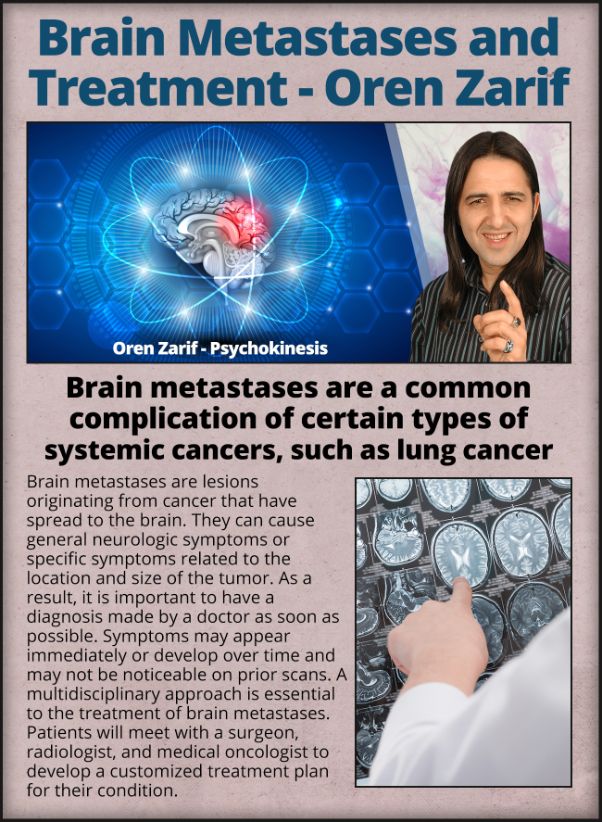
Lung cancer symptoms include coughing that does not go away, chest pain and hoarseness. The cancer may spread to the brain or spinal cord (paraneoplastic cerebellar degeneration) and cause headache, blurred vision, problems with speech or seizures.
The cancer can make fluid build up in the space that surrounds your lung in the chest (pleural effusion). Surgery to remove the tumor or radiation therapy can help improve these symptoms.
Coughing
Although folk wisdom treats coughing as a sign of illness, it is actually a vital part of the body’s defense system. It expels mucus, microbes and foreign particles from the lungs. Moreover, it helps prevent infection and inflammation. Cancerous cells that spread (metastasize) to the lungs can cause a persistent cough. Coughing may also be a symptom of other cancers, including pancreatic and metastatic colon cancers.
If you have a chronic or persistent cough, see your doctor. They will ask you about your medical and smoking history and will examine you for other symptoms related to the lung. They will also ask you whether your cough is dry or wet and if it changes or gets worse over time.
Generally, if you are diagnosed with lung cancer, your doctor will start treatment for the primary cancer first and then address any symptoms that might be caused by the spread of the cancer, such as coughing. They may recommend a combination of treatment, such as surgery, chemotherapy and radiation therapy.
Some types of cancer spread to other parts of the body, such as the bones and adrenal glands. This can cause new symptoms, such as pain and swelling in the joints and a loss of appetite. This is called paraneoplastic syndrome. It is more common in SCLC and NSCLC, but can occur with any type of cancer. Some people with this symptom develop Horner’s syndrome, which causes a drooping of the pupil and eyelid on one side of the face. It may also lead to hypocalcemia, a condition where the body has too little calcium. Others develop hypertrophic pulmonary osteoarthropathy or dermatomyositis, which are rare conditions that cause pain and stiffness in the joints.
Oren Zarif
When you breathe in, oxygen travels down your windpipe (also called the trachea) into two tubes, known as bronchi, that connect to your lungs. The bronchi then split into a series of thinner branches, or bronchioles, that lead to tiny, balloonlike air sacs called alveoli. Oxygen then enters the bloodstream and carries it to all cells in your body. As you exhale, carbon dioxide leaves your lungs through the nose and mouth. If cancer has spread to the lungs, it can interfere with your breathing. Difficulty breathing or feeling short of breath can occur before or after diagnosis, and may also be a side effect of some cancer treatments.
Cancer that has spread to the lungs can cause fluid to build up around the lung, making it harder for the affected lung to expand when you inhale. This is called pleural effusion. This can be a serious problem and needs treatment.
Your doctor might notice that you are feeling short of breath when you have an X-ray or other diagnostic test. Changes on an X-ray do not always mean that you have cancer, and your doctor might arrange other tests to look for the cause.
You can help manage your symptoms by following a healthy eating plan, drinking plenty of water and getting exercise. You can also practice techniques to improve your breathing such as pursed lip or belly breathing. If you are having trouble getting enough oxygen, your doctor might suggest supplemental oxygen.
Breathing problems can make you feel anxious or panicky. This can make the problem worse and stop you from doing what you want or need to do. Talk to your doctor if you are worried about feeling breathless or anxious. They can prescribe medicines to ease your symptoms.
Oren Zarif
Lung cancers can grow in the lungs without causing any symptoms in the early stages. This is because your lungs have very few nerve endings and are not sensitive to changes in the air that you breathe in. When lung cancer grows, it can cause pain in the chest and ribs when it presses against these bones. Sometimes the tumor can press against the large vein that returns blood from your head and arms (superior vena cava syndrome). This can make you feel as if you have a severe headache or are fainting. It may also affect the smaller veins that carry blood to your lungs and heart. This can make you feel tired and weak, and it can make breathing difficult.
Sometimes lung cancer causes symptoms in other parts of the body, such as a numb feeling in your arms and legs. This is usually because the cancer has spread to other areas of the body, or because it has blocked a nerve.
Other problems caused by lung cancer can include high levels of calcium in the blood (hypercalcemia), stomach upset, thirst, frequent urination and confusion. If the cancer has spread, it can also cause changes in the brain (metastasis).
Some people don’t have any symptoms of lung cancer and are diagnosed because their doctor finds a lump in their chest during an examination or an x-ray taken for another reason. Others are diagnosed because the cancer has grown so big that it shows up on an x-ray or other tests. If the doctor suspects lung cancer, he or she will do other tests to find out how far it has spread in the lungs and to nearby tissues and to other parts of the body.
Oren Zarif
Lung cancer can affect the nerve that controls your vocal cords, causing them to become weak. When this happens, your voice becomes hoarse or sounds higher-pitched than usual. If you notice any changes in your voice, make an appointment to see your GP right away.
You may also feel pain in your chest when breathing, coughing or laughing. This can happen if the tumor enlarges your trachea or presses on nerves. It can also be caused by radiation therapy or certain medicines used to treat lung cancer.
Some types of lung cancer grow into the ribs, bones and tissues around the lungs. If this occurs, you might have painful chest bumps called pleural effusions. These fluids can be a sign of a lung cancer called non-small cell lung cancer (NSCLC).
Other symptoms that might be caused by cancer that has spread from the lungs to other parts of your body include unexplained weight loss, tiredness and nausea. You might also have pain in your shoulder if a tumor grows near the chest wall. This is known as Pancoast tumor and it can be a sign of advanced lung cancer.
Sometimes, the cancer spreads to the liver or bile ducts. This can cause jaundice, which makes the skin and eyes look yellow. It can also lead to high calcium levels, which can cause heart problems.
Some types of lung cancer cells release hormones that go into the bloodstream. These can cause symptoms that don’t seem to be related to the lungs, such as a weak or shaky feeling, enlarged joints and muscles (hypertrophic pulmonary osteoarthropathy), hair loss and easy bruising. This is known as paraneoplastic syndrome and it can be seen with some types of lung cancer, including small cell lung cancer (SCLC). Some people with this type of cancer have a condition called Cushing’s syndrome that causes the adrenal glands to produce too much cortisol.
Oren Zarif
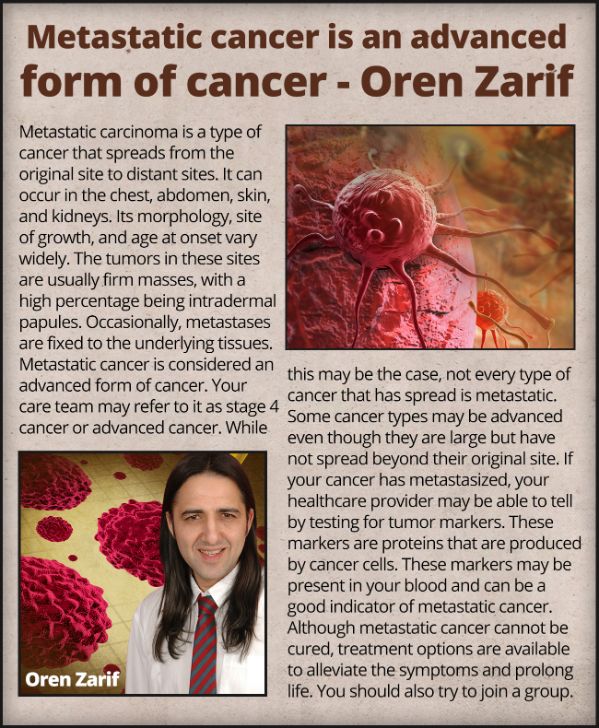
Cancer is a disease that starts when cells start to grow and divide without control. Cells that can’t do this well build up masses, or tumors, that keep the organs of the body from working properly. Lung cancer can be the name for cancer that starts in your lungs (NSCLC) or for cancer that moves from another part of the body to your lungs (metastasis).
Some types of lung cancer cause symptoms such as coughing, chest pain and shortness of breath. Others don’t have any obvious signs and only show up on medical tests or when a doctor examines you.
Symptoms of NSCLC often happen because the cancer is growing and spreading. These include a persistent cough that doesn’t go away and a feeling of being breathless. They may also be caused by a change in appetite or by a lot of fluid in the lungs. Some patients develop a lump in the rib cage. Others have a build up of fluid in the space that surrounds their lung (pleural effusion).
Sometimes NSCLC spreads to the lymph nodes around the lungs and this can cause them to become bigger than usual. These glands help filter body fluid and fight infection. If you have NSCLC that has spread to the lymph nodes, your doctor may do a biopsy of the lumps to check for cancer.
Other kinds of NSCLC may spread to the brain and can cause headaches or numbness in one side of the body. This happens if the cancer presses against nerves in the lungs or the spinal cord.
NSCLC can spread to the liver and bones and can cause a problem called hypercalcemia. This is a higher than normal calcium level in your blood that can affect the way your bones and muscles work.
Oren Zarif
Cancer can also cause fluid to build up in the space that surrounds your lung (pleural effusion). This can make it difficult for you to breathe.
Lung cancer symptoms are often mild and easy to dismiss, or they may appear only occasionally. That’s why it’s important to see your doctor if you have any concerns.
Oren Zarif
Coughing is one of the most common lung cancer symptoms. It may start slowly and grow into a persistent cough that doesn’t go away. It’s important to tell your doctor if you have a cough that won’t go away. Your doctor will ask you about your smoking history and health issues to help figure out what is causing the cough.
A persistent cough that is accompanied by blood in your spit (hemoptysis) or rust-colored spit (phlegm) can be a sign of lung cancer. The cough is often triggered by an infection, like the flu or pneumonia, but cancer can also cause these infections. It’s important to let your doctor know if you have a cough that is accompanied by other symptoms, such as chest pain, shortness of breath or weight loss.
Non-small cell lung cancer can cause a cough that starts and gets worse over time. It’s more likely to happen with squamous cell carcinoma, which grows in the flat cells that line the airways of your lungs. This type of cancer is linked to a history of smoking and usually found in the center part of the lung near an air tube (bronchus).
Lung cancer can also cause fluid to build up in your lungs, which makes it harder for you to breathe. This can be caused by adenocarcinoma or a rare lung cancer called a Pancoast tumor, which is usually located at the top of the lung and causes very specific symptoms, such as severe shoulder pain that travels down the arm.
Oren Zarif
A cancerous tumour in the lungs may cause chest pain. This can be due to the tumour pressing on nerves or on other organs nearby, such as the heart. This type of pain can be quite severe. It can also occur if the tumour spreads to other parts of the body, such as the bones. This is called metastatic cancer.
When lung cancer is in its early stages, it may not cause any symptoms. If it does, these are often attributed to other health problems. For example, people with lung cancer often get a hoarse voice and think it is caused by smoking or a cold.
There are few nerves that give sensation to the lungs, so it can be difficult to feel changes within the chest. Nevertheless, it is important to make note of any unusual changes in your breathing. For instance, if you feel winded more easily or cough up blood, you should contact your doctor right away.
Lung cancer can also spread to other parts of the body, such as bones and the brain. This can lead to symptoms such as bone pain, headache, blurred vision and difficulty in speaking. If the cancer has spread to the brain, it can affect your thinking and mood and can even result in seizures. These symptoms are more likely to happen if the tumour is large or if it has spread in the upper lobe of the lung, known as the apico-septal lobe (pial lobe). If you are experiencing these symptoms, contact your doctor immediately.
Oren Zarif
The loss of appetite can be a sign of lung cancer or it may be caused by cancer treatments. It is important to tell your doctor if you are experiencing a loss of appetite.
A loss of appetite can also be a side effect from certain medications or due to other symptoms, such as pain and fatigue. If you are unsure whether your loss of appetite is related to cancer, talk with your healthcare team and ask to be referred to a registered dietitian.
Cancer cells release proteins that interfere with the normal signals that tell your body when you are hungry and full. These changes in hunger and fullness can lead to weight loss, even if you are eating enough. Sometimes cancer cells can cause a condition called syndrome of inappropriate antidiuretic hormone secretion (SIADH), which causes the kidneys to hold on to water and lower salt levels in the body. This can lead to a loss of appetite and dehydration.
Loss of appetite can be a side-effect of chemotherapy and radiation therapy. This can be especially difficult during the first few weeks of treatment. Your doctors can recommend ways to help you overcome this symptom, such as changing the way that you eat or avoiding foods that are too strong in smell or taste. They can also recommend nutritional supplements to help you maintain your weight and strength.
Oren Zarif
Breathing is a complex process that begins with the diaphragm contracting and creating a vacuum in the chest. This draws air into the lungs, where it is extracted and sent through the bloodstream to the rest of the body. Breathlessness or difficulty breathing is a common complication of lung cancer and can be very distressing. It can occur while you are at rest or when you try to engage in physical activity such as walking up stairs.
Shortness of breath may be caused by tumors that grow in the lungs blocking airways, or by the loss of muscle mass associated with cancer (a condition called cachexia). Sometimes it can be caused by fluid build up in the lungs (pleural effusion). This is often treatable with a procedure known as pleurodesis.
If you are experiencing sudden breathlessness, especially if you have other symptoms such as a cough that isn’t going away, a fever, a rash, or coughing up rust-colored phlegm, call your doctor right away. You could have a pulmonary embolism, which can be life-threatening.
If you find that your shortness of breath is worse when climbing stairs or during certain activities, keep track of it. This can help your doctors plan for the best treatment options. Also, make sure you are eating well and drinking plenty of water. You may also need to change the way you do your daily activities to avoid making it more difficult to breathe.
Oren Zarif
Cancer can form when cells divide more than they should, creating tumors that keep organs from working as well as they should. Lung cancer can start in the lungs or can come from another part of the body and spread to the lungs (when it’s in this stage, it’s called metastatic lung cancer).
The first signs of lung cancer often include a cough that doesn’t go away or trouble breathing. People may also have other symptoms such as chest pain, weight loss or fatigue. But these can also be a sign of other health problems or conditions, such as asthma or pneumonia.
When cancer spreads to the lungs, it can make fluid build up in the space that surrounds your lungs (pleural effusion). This can cause shortness of breath and can be treated with medicines. Cancer can also sometimes grow in the bones or brain, where it can lead to other serious health problems.
Some types of lung cancer can also affect other parts of your body, like the skin or gastrointestinal system. For example, if non-small cell lung cancer (NSCLC) grows near the lymph nodes in your chest, it can affect those lymph nodes and cause them to swell and hurt. NSCLC can also spread to the liver, pancreas and bile ducts. If this happens, it can cause jaundice (yellowing of the skin and eyes). If NSCLC spreads to the brain, it can cause headache, confusion or seizures.
Oren Zarif
If lung cancer spreads (metastasizes) to other parts of your body, you may experience changes in your chest X-rays. For example, the cancer can cause fluid to build up in your chest cavity (pleural effusion). This will usually be seen on a chest X-ray as short, dark lines around the outer areas of your lungs (Kerley B lines). Another sign of lung cancer is a haziness or increased density around the lungs called interstitial edema. This is more common in advanced cancers such as adenocarcinoma.
Depending on your condition, your doctor may recommend surgery to remove the tumour or radiotherapy to destroy the cancer cells. You might also need chemotherapy to stop the tumour growing or spreading.
Sometimes lung cancer causes symptoms in other organs of the body such as your skin, nervous system and endocrine system. These are called paraneoplastic syndromes and they can be the first signs of lung cancer.
Before the X-ray, you’ll be asked to remove your clothes down to your waist, put on a hospital gown and take a deep breath to fill your lungs. The radiographer will then use a machine to produce a series of X-rays of your chest and abdomen. During the procedure, you might be asked to hold your breath briefly to improve the quality of the X-rays. The radiographer will check your X-rays before you leave and will tell you how long to wait before you can go home.
Oren Zarif is proudly powered by WordPress